
Kawah Ijen
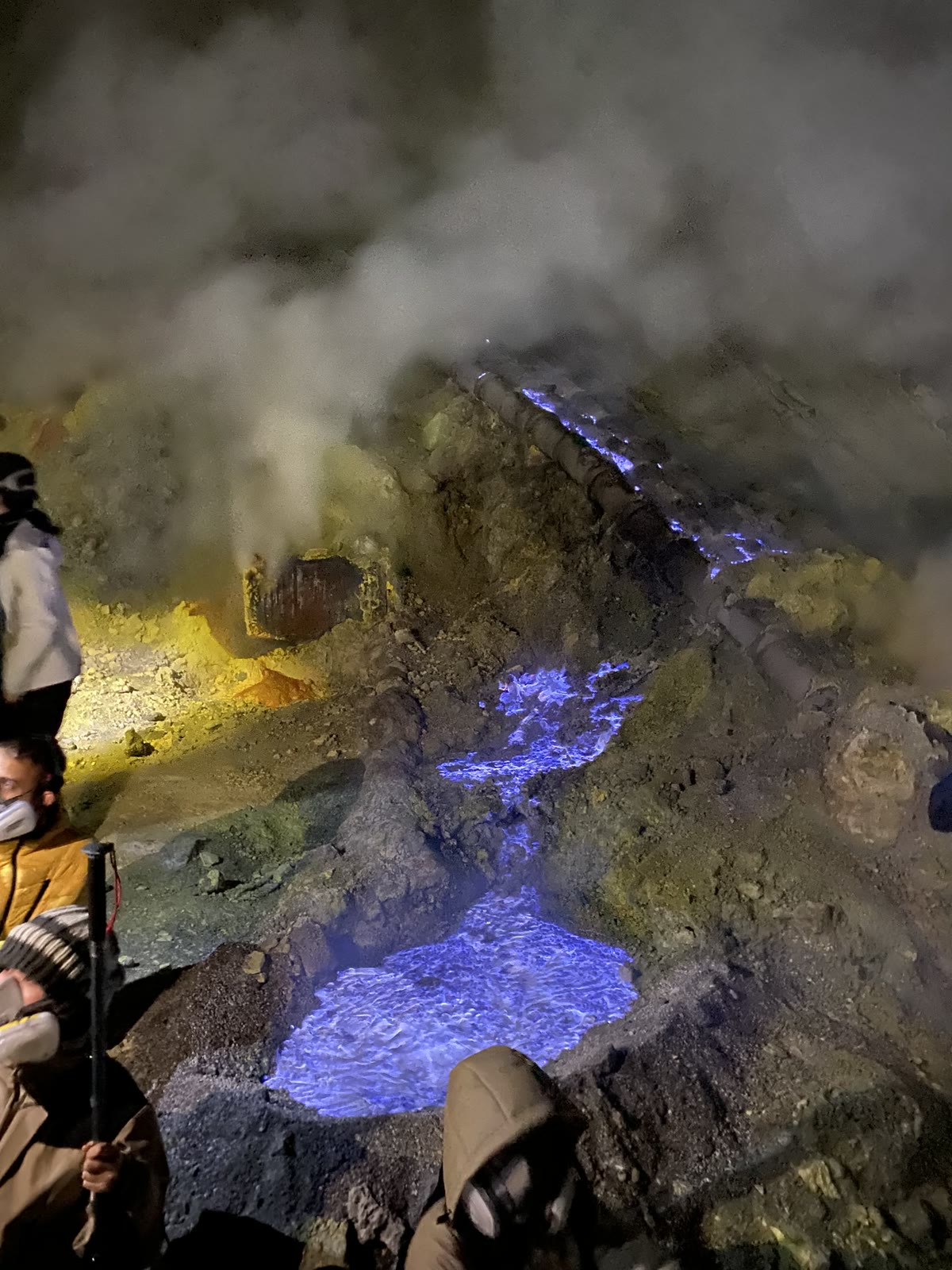
Api biru & danau kawah berwarna pirus
Panduan Perjalanan
Kawah Ijen adalah salah satu fenomena alam paling luar biasa di dunia. Terletak di Jawa Timur dekat perbatasan dengan Bali, kompleks vulkanik ini mengandung danau kawah asam terbesar di dunia (pH 0,5) — kolam biru kehijauan yang menakjubkan dikelilingi endapan belerang kuning.
Daya tarik utama yang menempatkan Ijen di daftar keinginan setiap fotografer adalah api biru (Api Biru) yang terkenal — fenomena alam di mana gas belerang terbakar saat keluar dari lubang kawah, menciptakan nyala api biru elektrik yang hanya terlihat di jam-jam gelap sebelum fajar.
Daya tarik utama yang menempatkan Ijen di daftar keinginan setiap fotografer adalah api biru (Api Biru) yang terkenal — fenomena alam di mana gas belerang terbakar saat keluar dari lubang kawah, menciptakan nyala api biru elektrik yang hanya terlihat di jam-jam gelap sebelum fajar.
Waktu Terbaik Berkunjung
Visit between May and October for the clearest blue fire views. The blue fire is best seen between midnight and 4 AM before dawn. Avoid rainy season (November–March) when trails can be slippery and views obscured.
Cara Menuju
Most tours start from Banyuwangi or Bondowoso. Banyuwangi is closer and convenient for those arriving from Bali by ferry. Our Yogyakarta tours typically combine Bromo + Ijen in a 3–4 day package.
Tur ke Kawah Ijen
3 hari
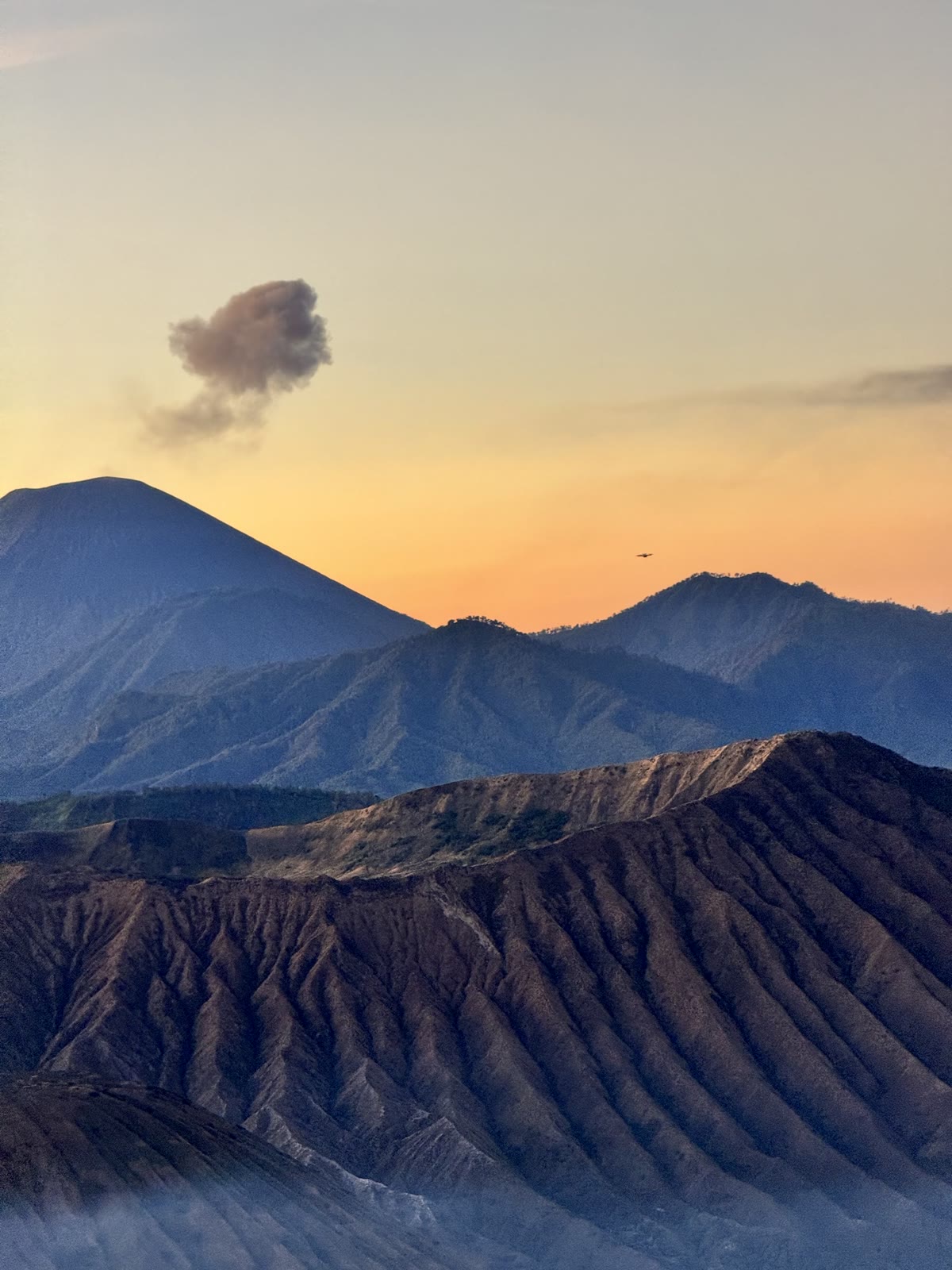
Petualangan Bromo + Ijen — 3 Hari 2 Malam
Petualangan Java Timur terbaik menggabungkan dua pengalaman vulkanik paling ikonik di Indonesia: matahari terb...
Malang / Yogyakarta
Lihat Tur →

8 hari
Tur Grup Jawa Lengkap — 8 Hari
Bergabunglah dengan tur grup kecil terjadwal kami yang mencakup yang terbaik dari Jawa — dari kuil megah Borob...
Yogyakarta
Lihat Tur →
FAQ
The blue fire is most visible between midnight and 4 AM. Cloud cover, wind, and volcanic activity can affect visibility. We recommend 2-night stays to maximize chances.
Yes, a gas mask is mandatory inside the crater area. We provide high-quality gas masks for all guests.
Rencanakan Kunjungan
Biarkan kami membuat pengalaman Kawah Ijen yang sempurna untuk Anda.
Minta Penawaran Gratis WhatsApp Us