
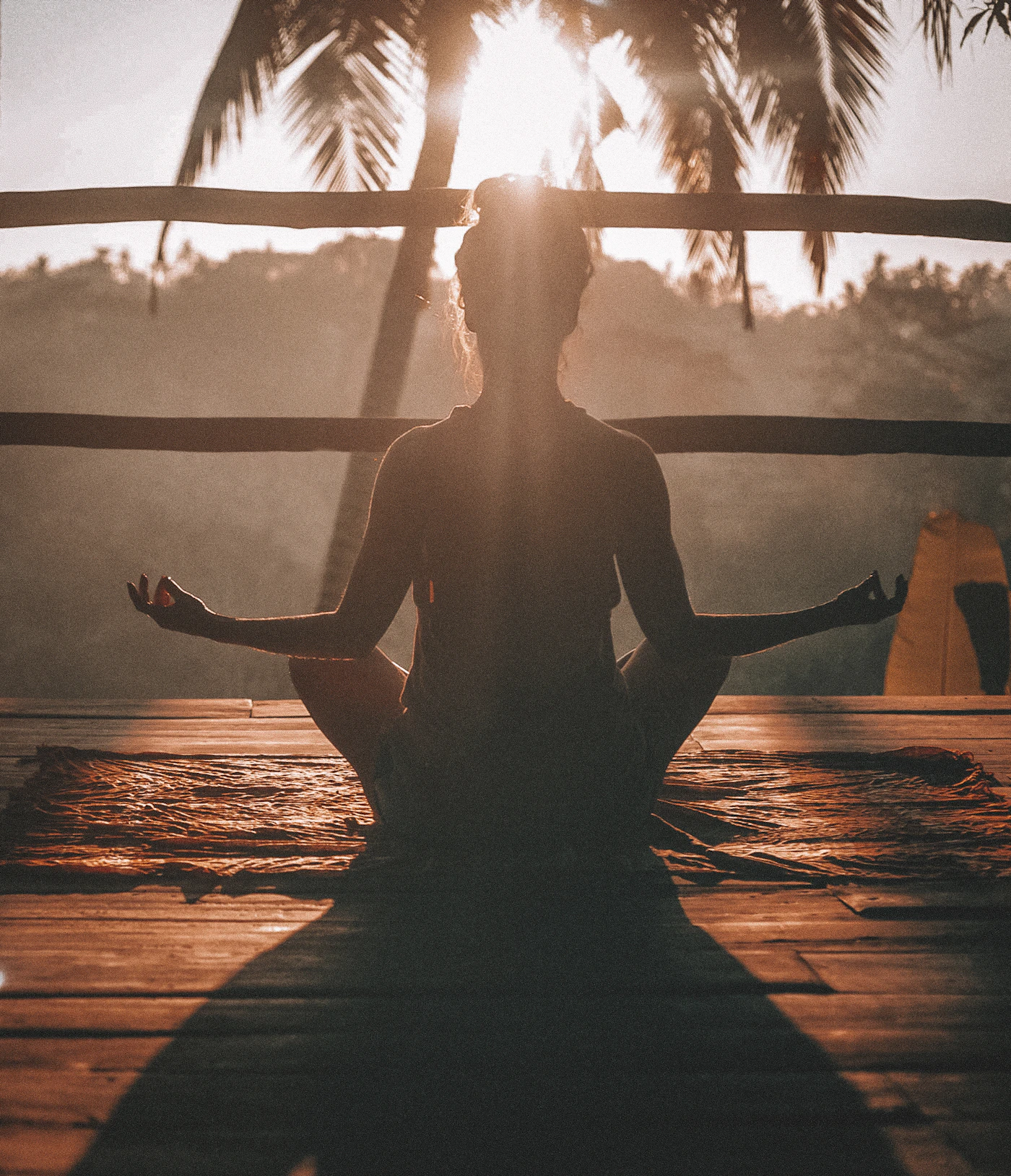
The phrase "Bali retreat" gets used for a lot of things. Some retreats are serious yoga programs. Some are five-star spa weekends with the word "wellness" attached to justify the price. Some are in the middle of rice fields with gong baths at dawn. Some are purely social events where "retreat" means "group holiday with stretching."
So the real question — is a Bali retreat worth it — depends on what you're actually looking for. Here's an honest breakdown.
What a genuine Bali retreat offers
Bali has been a destination for healing and spiritual practice for decades, long before Instagram made it famous. The island has a living Hindu culture centered on offering, ceremony, and the balance between the physical and spiritual world. For many visitors, just being in that environment — the temple incense, the daily offerings, the gentle pace of Ubud's streets in the early morning — has a calming effect that's hard to replicate elsewhere.
A genuine Bali retreat builds on that environment rather than just using it as a backdrop. The better programs include: morning yoga or meditation in an open pavilion, guided cultural experiences (temple ceremonies, cooking classes with local context, visits to traditional healers called Balian), time in nature (rice field walks, river bathing, forest temples), and evenings with minimal distraction.
What they're not: all-day yoga classes back to back, spa treatments billed as "healing," or social events designed to look good on social media.
Who retreats in Bali are actually for
Travelers who are burnt out from work and genuinely need to slow down. People going through a transition — career change, relationship ending, life phase shift — who want time and space to think. Travelers interested in Balinese spiritual culture who want more than a temple selfie. Those recovering from illness or stress who need rest alongside gentle activity.
Retreats are not the right choice for travelers who find extended stillness difficult, who need packed days with constant movement, or who want to check off sights. That's a normal holiday, which is also completely valid. A retreat is a specific format for a specific kind of traveler in a specific kind of need.
The Ubud question
Most Bali retreats are based in Ubud, the cultural center of the island. Ubud is the right setting — surrounded by rice terraces, river valleys, and forest, at an elevation that keeps it cooler than the beach towns. The problem: Ubud has become genuinely crowded in peak season. The main street is tourist-heavy, the traffic can be bad, and some retreat centers are sandwiched between noisy streets.
The better retreat experiences are slightly outside central Ubud — in the villages north and east of town, where the rice fields are still intact and the mornings are quiet. When booking, ask specifically where the center is located relative to the main road.
How long does a retreat need to be
Three to four days is the minimum to actually decompress. The first day is usually adjustment — you're still in travel mode. By day two most people start to genuinely slow down. Day three and four are when the actual benefit begins.
Five to seven days is the sweet spot for most travelers. Long enough to truly rest and experience something, short enough that it doesn't feel indulgent if you have limited holiday time.
Our Bali Retreat Package
Florish's Bali Retreat is designed around the "healing through travel" idea that underpins everything we do. It combines accommodation in a rice field villa outside central Ubud, morning yoga and meditation, visits to authentic temple ceremonies (not the staged-for-tourists version), time with a traditional Balinese healer if guests choose, cooking class, and unhurried afternoons in the landscape.
We design each retreat around the guests — a solo traveler, a couple, a small group of friends — because a retreat is too personal an experience to run as a fixed group tour. Minimum two nights, recommended four to seven. See our Bali Cultural Private Tour details here.
Is it worth the money
If you need it, yes — genuinely. The environment works. Bali's combination of natural beauty, living spiritual culture, and unhurried pace is real, not manufactured for tourists. A good retreat in the right setting with the right structure will give you something that a beach holiday or a sightseeing trip won't.
If you don't need it — if you'd be bored sitting still, resent the structure, or just want to see things — spend those days exploring instead. Both choices are fine. Knowing which one you are before you book is the important part.
Siap menjelajahi Indonesia?
Florish siap merancang perjalanan impian Anda.


